UniFi for new construction homes
In new construction, the cable decisions matter and the hardware decisions can wait. Run a ceiling stub per floor for access points, two drops at every TV and desk, a run to each camera position, conduit to detached structures, and terminate everything at one ventilated equipment location.
Likely causes
Builder-grade low voltage packages
Standard packages often include one or two jacks and no ceiling stubs for access points, which is the one thing hardest to add later.
No planned equipment location
Gear ends up in an attic or a sealed cabinet, where heat shortens its life and changes are awkward.
Cameras and outdoor coverage added too late
Exterior runs are simple before siding and drywall and expensive afterward.
Your options
Pre-wire plan on the floorplan
Drop count and locations marked room by room, including ceiling access point stubs and exterior camera positions.
Equipment location and rack
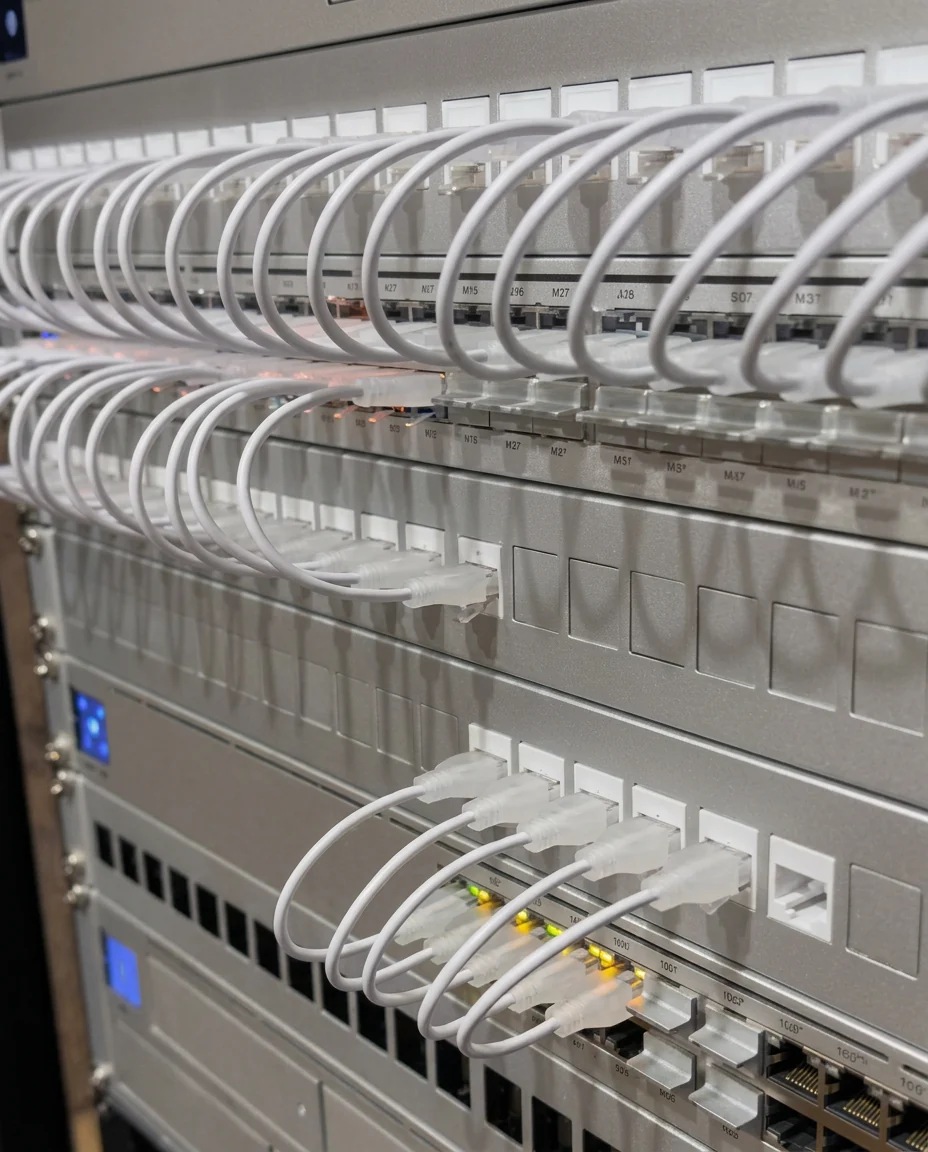
A conditioned interior closet or laundry wall with power, sized for a patch panel, PoE switch, gateway and camera recording.
Conduit and fiber where it matters
Conduit to an ADU, garage or shop, with fiber for long runs or buildings on a separate electrical service.
Trim-out and configuration
Termination, testing and documentation at trim, then UniFi setup and a coverage verification pass at completion.
From the field
The incremental cost of a second cable along a path already being run is small. After drywall, the same drop needs fishing and patching — often several times the price.
Building or remodeling?
Submitting costs nothing. Your contact details stay private until a matched professional takes your project.
Frequently asked questions
- When should low voltage be planned?
- Before rough-in. Walking the floorplan with the builder early is what keeps the ceiling stubs and camera runs in the plan.
- Do I need to choose equipment now?
- No. Cable is permanent; the gateway, switch and access point models can be decided closer to completion.
- How many drops is enough?
- Twelve to twenty covers most new homes, including ceiling stubs and camera runs.
Services that fix this
Sold only once
Matched professionals may see a private preview, but only one receives your contact details.
Private by default
Your contact details are only shared with the professional who takes the project.
No technical detail needed
Describe the result you want. The pro works out the equipment.